Last Updated on February 12, 2026 by shawnshealth
The Ultimate Guide to Weight Loss: 7 Powerful Fat-Loss Principles (Backed by Science)
This guide breaks down the seven core principles behind sustainable fat loss, using simple, science-backed habits anyone can apply. You’ll learn how to control hunger, boost metabolism, and avoid the most common weight‑loss mistakes.
Discover the ultimate guide to weight loss using seven science-backed fat-loss principles. Learn what actually works, what doesn’t, debunking common myths about overeating.
If you want simple, equipment-free movements to get started, my beginner calisthenics guide walks you through the easy exercises anyone can do at home.
How Does Weight Loss Happen?
Weight loss happens when you maintain a consistent calorie deficit, eat enough protein, prioritize resistance training, sleep well, manage stress, and stay consistent. Fat loss—not just scale weight—comes from improving body composition by reducing fat while preserving muscle. Cardio helps, but strength training, balanced nutrition, and sustainable habits deliver the best long-term results.
⚖️ Quick Note: In this article, I’ll use “weight loss” and “fat loss” interchangeably. Technically, weight loss means the scale goes down, while fat loss means reducing body fat and improving muscle composition. Since most people say “weight loss” when they really mean “fat loss.” I’ll use both terms at times to keep things relatable — even though there is an important difference.
💡 Looking for reliable gear to support your fat‑loss journey? We’ve rounded up best rated home gym equipment to make training at home simple and effective.
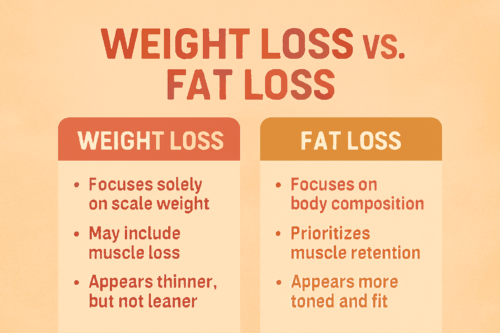
Table of Contents
Medical Disclaimer This content is for information only, not medical advice. Consult a healthcare professional for guidance.
Amazon Affiliate Disclaimer As an Amazon Associate, I earn from qualifying purchases.
Weight Loss Explained: Why Fat Loss Matters More Than Scale Weight
Most people say they want to “lose weight,” but what they truly want is fat loss—a reduction in body fat while keeping (or building) lean muscle.
Scale weight includes:
- Water
- Glycogen (stored carbs)
- Muscle
- Fat
This is why you can “lose weight” and still look the same—or worse—if the wrong tissue is lost.
In other words, we will be using the term “weight loss” because that is the term most people are used to when we are really referring to “fat loss” which is a literal recomposition of the body.
Weight loss – can be “skinny fat” with no improvement in body composition.
Fat loss – is a recomposition of the body to having less body fat per pound of muscle (this reshaping and enhancing the strength and general fitness of the body).
This pillar post is designed to cover everything essential—habits, training, nutrition, myths, research, and lifestyle factors—with clarity and action.
If you want simple, equipment-free movements to get started, my beginner calisthenics guide walks you through the easy exercises anyone can do at home.
🎥 Video Insight: Weight Loss vs Fat Loss
Want to see the difference explained clearly? This short video breaks down why losing weight on the scale isn’t the same as losing body fat — and how focusing on body composition leads to healthier, more sustainable results.
Principle #1: Create a Moderate Calorie Deficit (Not an Extreme One)
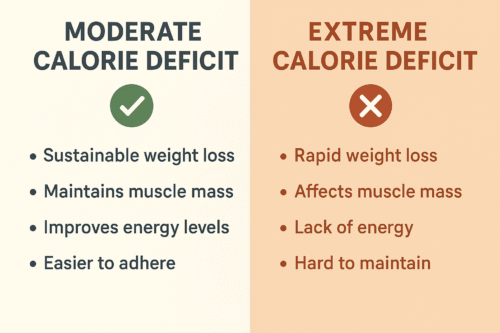
Weight loss starts with a calorie deficit. Fat loss requires a smart deficit.
For practical ways to reduce calories safely, see the CDC’s guide to cutting calories.
A moderate deficit (around 300–500 calories per day) allows for:
- 0.5–1% bodyweight loss per week
- Better energy
- Better training performance
- Less muscle loss
- Higher adherence
This is slow enough for sustainability but fast enough for measurable progress.
Signs your deficit is too aggressive:
- Energy crashes
- Irritability
- Poor workouts
- Poor sleep
- Losing >2% of bodyweight weekly
- Strong cravings
A smart deficit is the foundation of every effective fat-loss strategy.
Principle #2: Eat Enough Protein to Protect Muscle and Metabolism
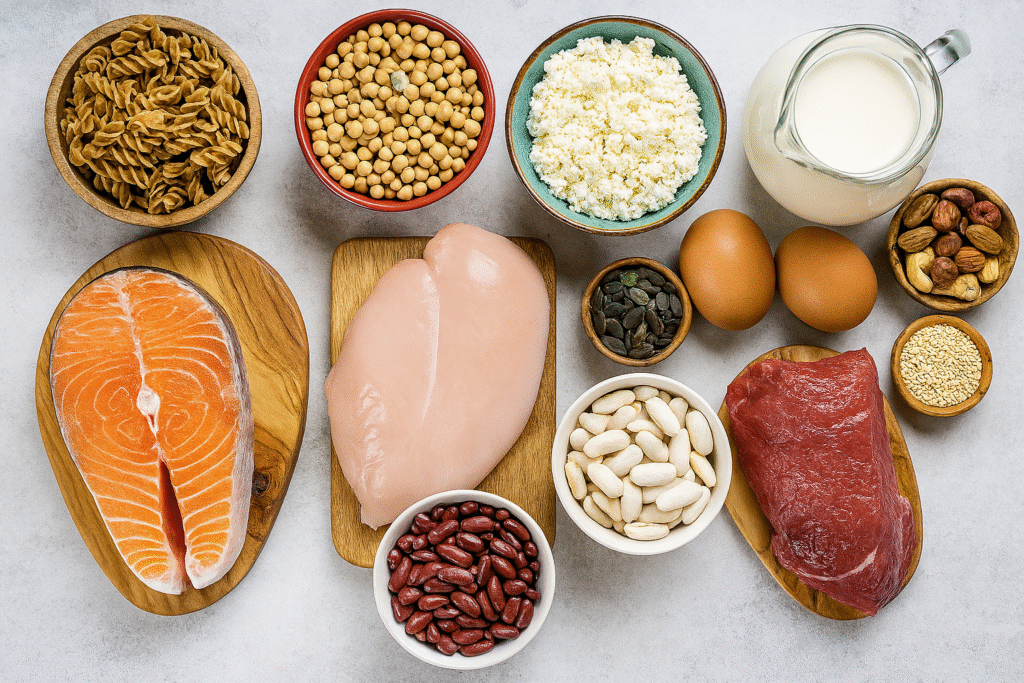
Protein is the most important nutrient for fat loss.
Research consistently shows that higher protein intake helps preserve muscle and supports fat loss. See the Harvard Gazette’s overview of high‑protein diets for more context.
Why?
- Helps preserve muscle during weight loss
- Keeps you full longer
- Supports metabolic rate
- Improves body composition
- Helps recovery
Recommended intake:
1.6–2.2 g of protein per kg of bodyweight per day
(or 0.7–1.0 g per pound)
This becomes even more important for:
- Older adults
- People on lower-calorie diets
- People who train regularly
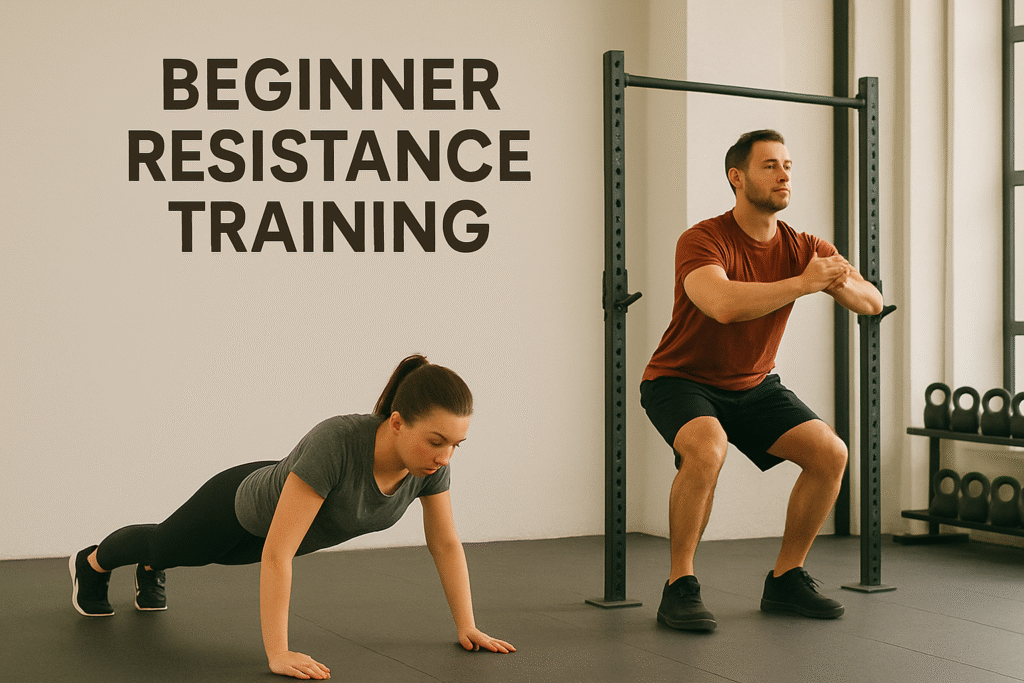
Principle #3: Prioritize Resistance Training Over Endless Cardio
When most people think “weight loss,” they picture hours on the treadmill.
But research consistently shows:
👉 Strength training + calorie deficit = maximum fat loss + muscle preservation
👉 Cardio alone + calorie deficit = more muscle loss, lower metabolism
Benefits of strength training include:
- Maintaining (or building) muscle
- Higher resting metabolic rate
- Better insulin sensitivity
- Long-term body-shape changes
- Stronger bones and functional strength
You don’t need complicated programming.
Start with 2–4 sessions per week focusing on:
- Squats
- Hip hinges
- Pushes
- Pulls
- Core
- Loaded carries
If you’re new to resistance training, start with our Beginner Strength Training Routine, which lays out simple, effective workouts to help you build muscle and protect your metabolism
Principle #4: Add Cardio Strategically for Extra Fat Loss
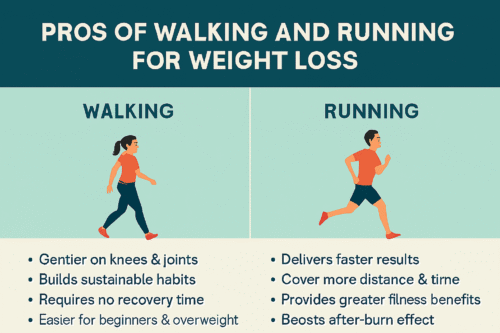
Cardio isn’t bad—it’s just not the main driver of body recomposition.
Cardio helps with:
- Calorie burn
- Heart health
- Reduced visceral fat
- Appetite regulation (for some people)
But overdoing cardio can increase hunger or impair recovery from strength training.
Best approach:
Mix moderate-intensity cardio (like brisk walking) with shorter high-intensity sessions as needed.
Recommended weekly total:
150–180 min of moderate cardio OR 75 min vigorous cardio
For practical ways to boost endurance and heart health, see Quick Stats: How Can You Improve Cardiovascular Fitness.
Principle #5: Lifestyle Factors That Move the Needle (Sleep, Stress, Consistency)
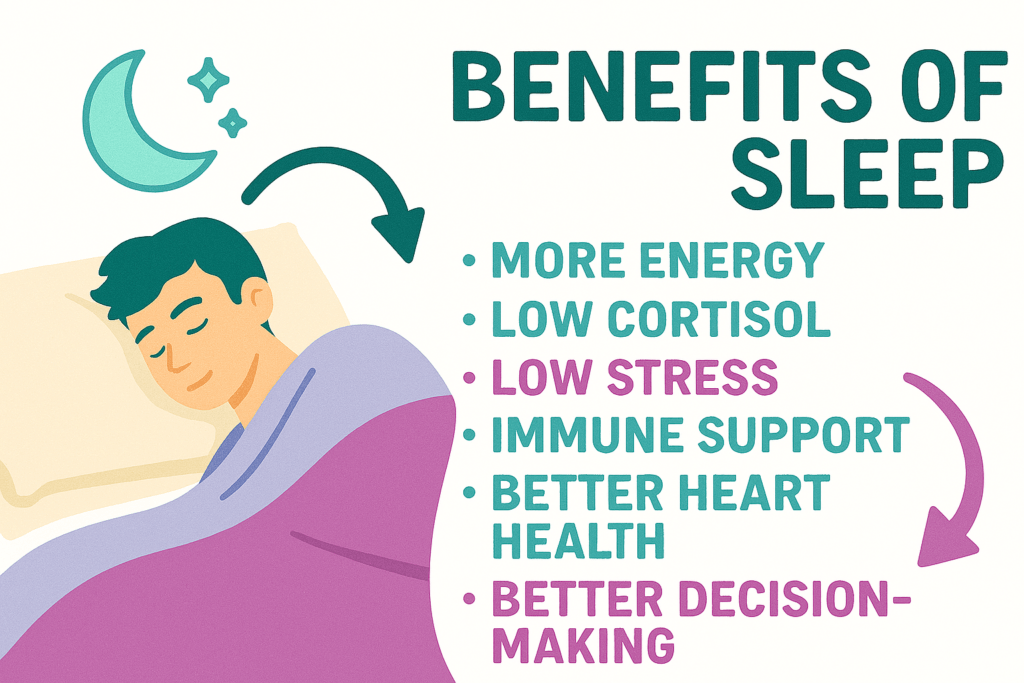
Sleep
Poor sleep disrupts:
- Hunger hormones (ghrelin ↑, leptin ↓)
- Recovery
- Insulin sensitivity
Aim for 7–9 hours.
Curious about the connection between sleep and fat gain? Our post Can Lack of Sleep Make You Gain Weight explains how poor rest can disrupt hormones and stall progress.
Stress
High stress elevates cortisol, which can:
- Increase cravings
- Reduce sleep quality
- Encourage fat storage (especially abdominal)
Consistency
It’s not perfection—it’s the average of your behaviors.
Most people don’t fail from overeating once.
They fail from restarting over and over.
[INSERT IMAGE: “Sleep–Stress–Consistency Triangle”]
Common Weight Loss Myths That Won’t Die
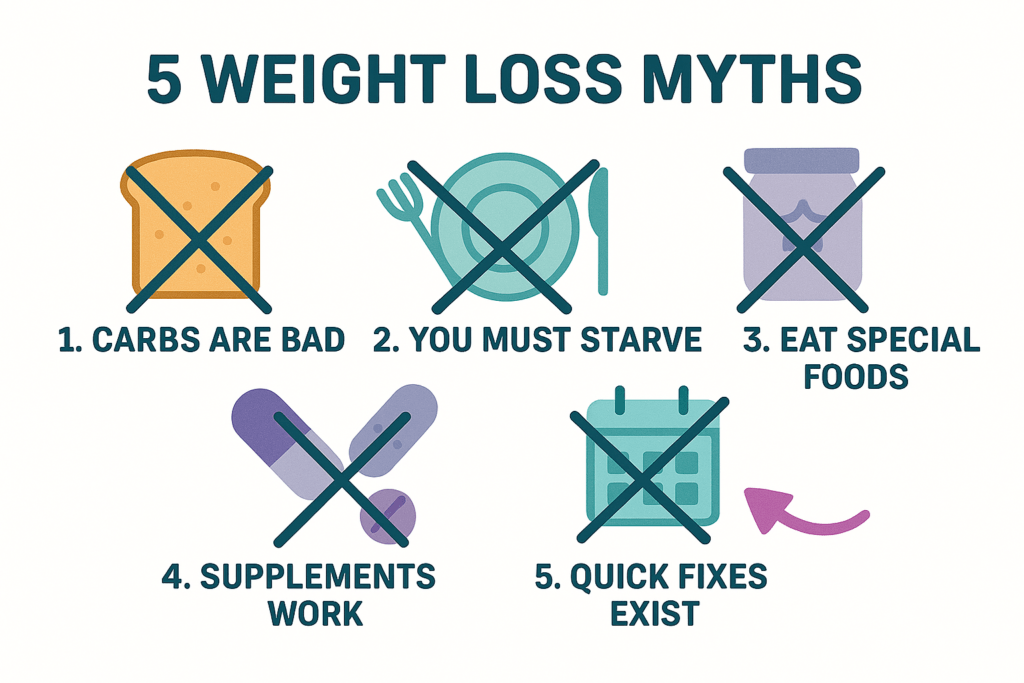
❌ Myth 1: Cardio is the fastest way to lose fat
Cardio burns calories, but strength training reshapes your body and protects metabolism.
❌ Myth 2: You must cut carbs to lose weight
Carbs help fuel workouts. Calorie balance matters more.
❌ Myth 3: Supplements melt fat
Caffeine + green tea extract = marginal effects.
Diet and training = 95% of results.
❌ Myth 4: Intermittent fasting is magical
It works because it reduces calories, not because of magic.
❌ Myth 5: You can “spot reduce” fat
You lose fat everywhere—your genetics decide the order.
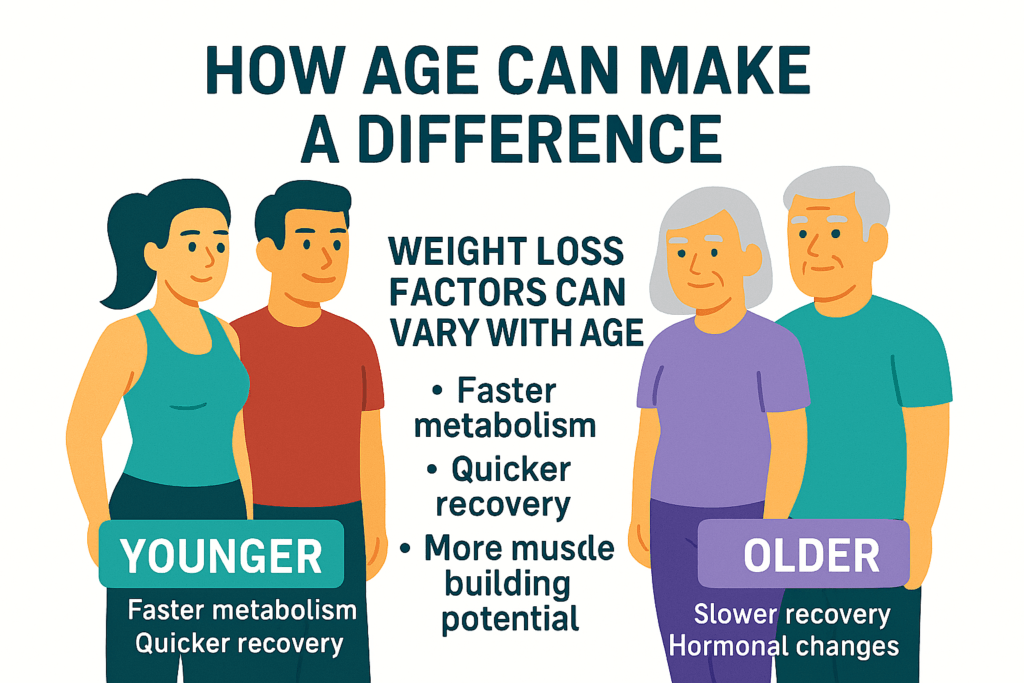
Challenges for Different Groups: Men, Women, Younger Adults, Older Adults
Different groups face different challenges during weight loss and fat loss.
Understanding these helps you tailor your expectations and approach.
Men
Common challenges:
- Tend to underestimate calorie intake
- Often rely too heavily on cardio
- Frequently skip mobility and recovery
- May struggle with belly fat storage, especially under stress
Advantages:
- Higher testosterone
- Higher lean mass
- Higher metabolic rate
Men often lose fat faster initially—but sustainment still requires consistency.
Women
Common challenges:
- Hormonal fluctuations can affect appetite, water retention, and energy
- Often under-eat protein
- More prone to “chronic dieting” or metabolic adaptation
- May gain water weight around menstrual cycle (not fat)
Advantages:
- Often more consistent with nutrition
- Typically better at endurance-based activity
- Better at following structured plans
Important note:
Slow, steady fat loss protects menstrual health and thyroid health.
Younger Adults (18–35)
Challenges:
- Inconsistent routines (sleep, meals)
- Highly social environments (alcohol, takeout, late nights)
- Often train hard but eat poorly
- Over-consumption of liquid calories
Advantages:
- Faster recovery
- Higher metabolic flexibility
- Easier time building muscle
Smart habits created in this phase pay off for life.
Older Adults (40+, 50+, 60+)
Challenges:
- Natural muscle loss (sarcopenia)
- Slower recovery
- More joint issues
- Hormonal changes (especially menopause and andropause)
- Often less protein intake
Advantages:
- Often more disciplined
- Better emotional regulation around food
- More realistic goals
Key strategies for older adults:
- Prioritize protein
- Strength train 2–3x weekly
- Sleep optimization
- Walk daily
- Avoid crash diets
Fat loss becomes more about protecting muscle than ever before.
Looking for practical ways to stay active as you age? Our post Exercises for Seniors: 10 Surprisingly Effective Everyday Activities That Count as Workouts shows how simple daily movements can double as fitness routines.
[INSERT IMAGE: age-related weight loss differences chart]
A Simple, Sustainable Fat-Loss Framework (4-Phase Plan)
Phase 1: Baseline Setup (1–2 Weeks)
- Track normal eating
- Note hunger patterns
- Identify easy calorie wins
- Set protein baseline
- Start walking 7–10k steps/day
Phase 2: Active Fat Loss (6–16 Weeks)
- Moderate calorie deficit
- Strength training 3x/week
- Cardio 2–3x/week
- Prioritize whole foods
- Protein at every meal
Phase 3: Adjustment Phase
- Reduce deficit as needed
- Swap foods, not meals
- Monitor waist, photos, strength
Phase 4: Maintenance (Super Important)
- Add 200–300 calories
- Keep protein high
- Maintain strength training
- Enjoy more flexibility
Maintenance is when your body stabilizes—and when most people skip the step that prevents regain.
Even with a solid framework, many people still struggle to see results. Our post Why Do I Keep Gaining Weight? 5 Proven Reasons You’re Struggling explains the most common pitfalls and how to overcome them.
🏋️ Recommended Resource: Building lasting results is easier with the right tools. From resistance bands and pull‑up bars to compact home gym setups, we’ve highlighted highly rated calisthenics equipment that can help you stay consistent long term.
FAQs: For Weight and Fat Loss
Q1: What’s the difference between weight loss and fat loss?
Weight loss includes water, muscle, and fat.
Fat loss focuses on preserving muscle while reducing fat, giving you a better body shape and healthier metabolism.
See the Harvard Gazette’s overview on why losing fat matters more than losing muscle for more detail.
Q2: Can I lose fat without exercise?
Yes—but you’ll lose more muscle and burn fewer calories daily.
For best results, diet + strength training is ideal.
Tracking calories is a useful tool, but it’s not the only path to fat loss. Research shows that focusing on food quality and lifestyle habits can be just as effective. See Harvard Health’s overview on stopping calorie counting for more detail.
Q3: Is cardio or lifting better for fat loss?
Lifting preserves muscle (critical).
Cardio burns extra calories.
Use both, but prioritize lifting.
Both cardio and lifting play a role, but strength training is essential for preserving muscle. See the CDC’s overview of physical activity and weight for more detail.
Q4: How fast is safe fat loss?
Safe fat loss is generally 0.5–1% of bodyweight per week. See the NIH’s healthy weight basics for more detail.
Q5: What if I hit a plateau?
Try the “Big Four”:
- Increase steps
- Increase protein
- Tighten calorie accuracy
- Improve sleep
Plateaus are a normal part of the process, but small adjustments can restart progress. See the Mayo Clinic’s strategies for successful weight loss for more detail.
Q6: Do I need supplements?
No.
Useful but optional:
- Protein powder
- Creatine
- Caffeine
- Omega-3s
Supplements aren’t required for fat loss, though some can be useful. For an evidence-based breakdown, see Examine’s supplement research library.
Q7: What is the fastest safe way to lose fat after age 50?
The fastest safe approach is to combine a small calorie deficit with high‑protein meals, daily walking, and simple strength‑based movements that preserve muscle. This keeps metabolism higher, reduces hunger swings, and avoids the rebound effect that comes from aggressive dieting.
📚 Further Reading & Resources (Revised)
- American College of Sports Medicine – Resistance Training for Health Evidence-based overview of strength training benefits for health and fat loss.
- Harvard Gazette – The truth about high-protein diets Research-backed discussion of protein intake and its role in body composition.
- National Sleep Foundation – Sleep and Weight Management Explains how sleep quality impacts appetite, hormones, and fat storage.
- PubMed – Effects of Cardio vs. Strength Training on Body Composition Peer-reviewed study comparing cardio and resistance training for fat loss outcomes.
- World Health Organization – Healthy Diet Factsheet Global perspective on diet quality and sustainable weight management.
Final Thoughts: The Real Key to Lasting Weight Loss
Fat loss is simple, but not easy.
If you:
- Maintain a moderate deficit
- Eat enough protein
- Strength train
- Sleep well
- Walk daily
- Stay consistent
—you will succeed.
Weight loss is temporary.
Fat loss is transformation.
And transformation comes from sustainable habits, not perfection.
Have I not commanded you? Be strong and courageous. Do not be afraid, and do not be dismayed, for the Lord your God is with you wherever you do. Joshua 1:9